
Choosing your van insulation: materials, thickness and condensation
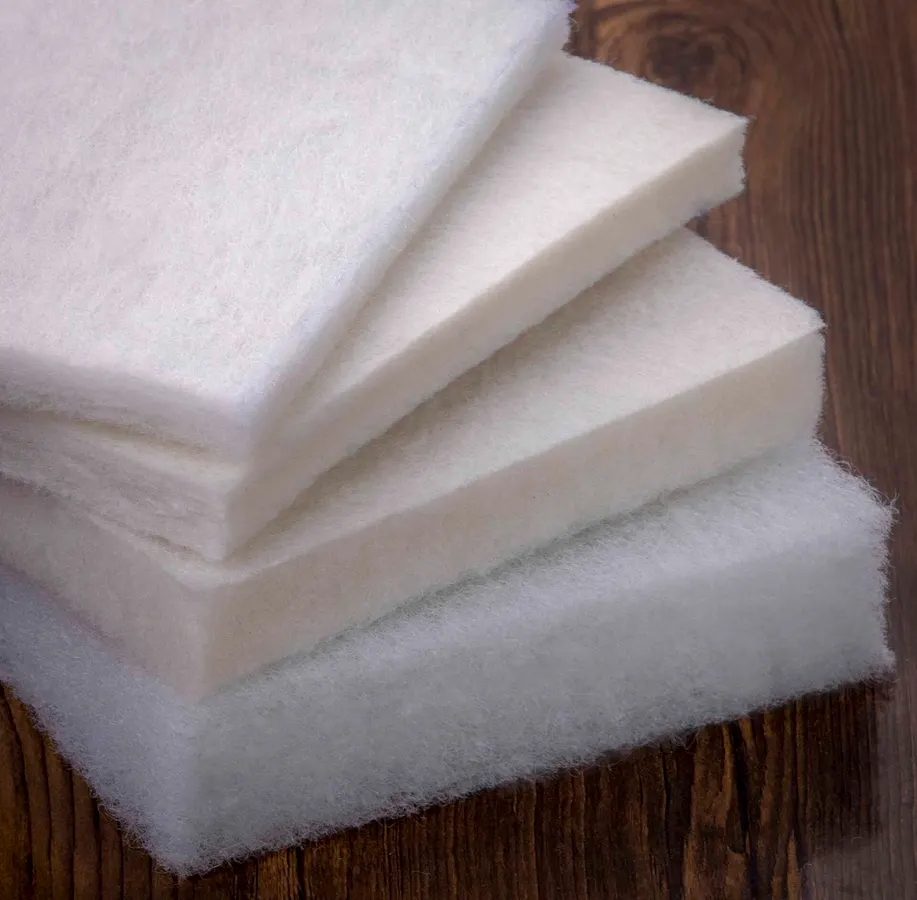
Foam, rigid boards, sheep's wool or cork? Which material goes where, what thickness to aim for, and how to stop moisture settling behind your panels.
Insulating a van does two jobs: it keeps a comfortable temperature, and it stops the warm, moist air inside from condensing on cold metal. A good material is not enough if you forget the second job.
The main materials
- Elastomeric foam (Armaflex, K-Flex): flexible, it follows curved panels and does not absorb water. It must be glued with no air pockets. More expensive, but very well suited to walls and doors. Amazon ↗
- XPS or PIR rigid boards: highly insulating for their thickness, they suit flat surfaces such as the floor or roof, and suit curves far less. Amazon ↗
- Thinsulate: light, easy to fit, not very sensitive to moisture and good against noise. It is expensive. Amazon ↗
- Sheep's wool: natural, it tolerates and buffers moisture, provided the wall can dry out. Secure it well so it does not sag. Amazon ↗
- Cork: natural and moisture-resistant, but heavier and slightly less insulating for the same thickness. Amazon ↗
- Glass or rock wool: avoid it. It holds water, sags with vibration and then stops working properly.
What thickness to aim for
These are guidelines, since every millimetre comes out of your living space:
- Roof: the priority, 20 to 40 mm depending on available height.
- Walls: 19 to 25 mm of foam, or 30 to 50 mm of fibrous insulation in the cavities.
- Floor: 10 to 30 mm of XPS under the boards. With a low roof, these centimetres count.
- Metal ribs: cover them with a thin layer of insulation before fitting battens. Otherwise they form thermal bridges, where condensation appears first.
Condensation, the real issue
Two people give off roughly half a litre to a litre of water per night, not counting cooking and laundry. That water has to get out.
- Glued closed-cell insulation: it acts as its own vapour barrier. Take care over the joints with suitable tape.
- Fibrous insulation: either a continuous vapour barrier on the inside, or a wall that can breathe. A vapour barrier full of holes is often worse than none. Amazon ↗
- Ventilation: plan a roof extractor and a low air inlet, and air the van even in winter. Amazon ↗ VEVOR ↗
Never block the safety vents of a gas installation, even to gain insulation.
Often forgotten
- Treat rust before covering the metal.
- Keep the drain holes at the bottom of the bodywork and the door mechanisms clear.
- Windows lose a lot of heat: plan insulated blinds or covers, for the cab too. Amazon ↗
- Run cables and conduits before closing up the walls.
In OurVan, the Walls tab works out the areas to buy, subtracts the openings and applies the finished dimensions to your 3D layout.
Learn more
- GOV.UK: damp and mould, understanding the health risks
- Basingstoke Council: avoiding damp, mould and condensation
As an Amazon Associate, OurVan earns from qualifying purchases, at no extra cost to you.
OurVan also earns a commission on VEVOR purchases made through these links, at no extra cost to you.